Some wedding décor looks beautiful in the room but doesn’t quite work the same way in photos.It usually happens for a simple reason. The space has been designed for people moving through it, while the camera sees one fixed frame. A floral arrangement can feel perfectly balanced in person but sit directly behind someone’s head in a portrait. A dark wall may look elegant until a groom in a black suit stands in front of it. A small decorated corner may be lovely for two people and far too tight for a family photo.None of this means you should plan the wedding around the camera.But if a space is meant to appear in a lot of photographs, especially a ceremony backdrop, photo area or part of the reception, it is worth looking at it the way a photographer will.
Stand Where People Will Actually Stand
Before deciding that a setup is finished, put someone in it.This sounds obvious, but it changes the way you see the space.Look at what sits directly behind the person rather than admiring the décor on its own. Large flowers, signs, branches and strong architectural lines can all become distracting when they overlap a face or shoulder.
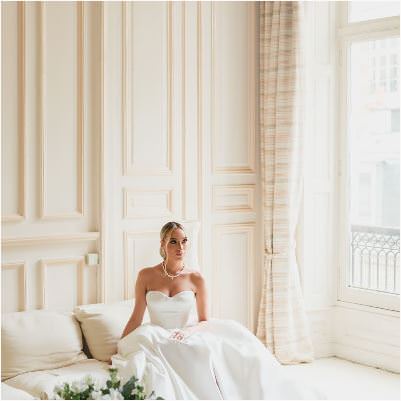
Clothing matters too. A dark suit against a dark wall can lose definition. A white dress in front of a very bright background can create a completely different challenge. If the venue wall is particularly busy, or the existing décor leaves very little clean space around the people being photographed, introducing a simple wedding backdrop can be one way to create a more controlled frame. Kate Backdrop has several wedding-oriented styles, but the background should still fit the venue rather than becoming the main feature of the setup.
Then think about numbers.A setup designed around a couple may not work for family formals or a group of friends. If the same spot will be used throughout the day, make sure there is enough width for more than the two people you had in mind when it was designed.The décor can still have plenty of character. It just needs to leave some room for the people.
Check the Light at the Right Time of Day
A beautiful location at 2 p.m. may be a very different location at 8 p.m. If you are planning a dedicated photo area, look at the light around the time it will actually be used. A corner beside a large window may be excellent during cocktail hour and almost completely dark later in the evening.
Indoor reception spaces can also have several light sources working at once: daylight, warm ceiling lights, candles, decorative lighting and sometimes colored LEDs. That mixed lighting becomes part of the photograph. This does not necessarily make the location unusable. It simply affects how the photographer will approach it.
Reflective details deserve a quick check as well. Mirrors, metallic décor and strings of small lights can catch light in unexpected ways depending on the camera angle. So before adding another decorative element, spend a moment looking at the light that is already there. Often, choosing a better position does more for the photograph than adding more to the scene.
Step Back and Look at the Whole Frame
A photo setup should never be judged only from a few feet away. Take several steps back. Now look at the edges. This is where door frames, exit signs, cables, service areas, speakers or the end of a decorated wall suddenly become visible.
A close portrait can hide most of those things. A full-length couple portrait cannot. A family group needs even more space. This is especially important with narrow installations. If the styled area ends just outside the couple’s shoulders, the photographer has very little freedom to change the composition or step back.
A little extra width gives everyone more options. It also means the photographer does not have to solve every background problem by cropping tighter than intended.
Let the Venue Do Some of the Work
Not every wedding needs a separate photo backdrop. In fact, many venues already have more than enough to work with. Stone walls, staircases, large windows, old doors, curtains, gardens and terraces can become strong backgrounds without much additional styling. A simple change of angle may be all that is needed to remove distractions from the frame. Before building another scene, walk through the venue and look at what already exists.
There is one practical detail to keep in mind: a location that looks wonderful while the venue is empty may work very differently once the wedding begins. That elegant hallway might become the main route to dinner. The quiet terrace may fill with guests during cocktail hour. A reception corner may later hold equipment or furniture.
So think about both the appearance of the location and how it will actually be used. Sometimes the best portrait spot is not the grandest part of the venue. It is simply the place with good light, a clean background and enough space to work.
When a Separate Photo Area Makes Sense
There are also weddings where a dedicated photo area is genuinely useful. Maybe the reception room has busy walls. Perhaps the outdoor location depends too much on the weather. Or you want one consistent place where guests can stop for portraits throughout the evening.
In that case, keep the setup straightforward. Start with the space available. Make sure several people can stand comfortably and that the photographer has enough shooting distance. Then decide what the background actually needs.
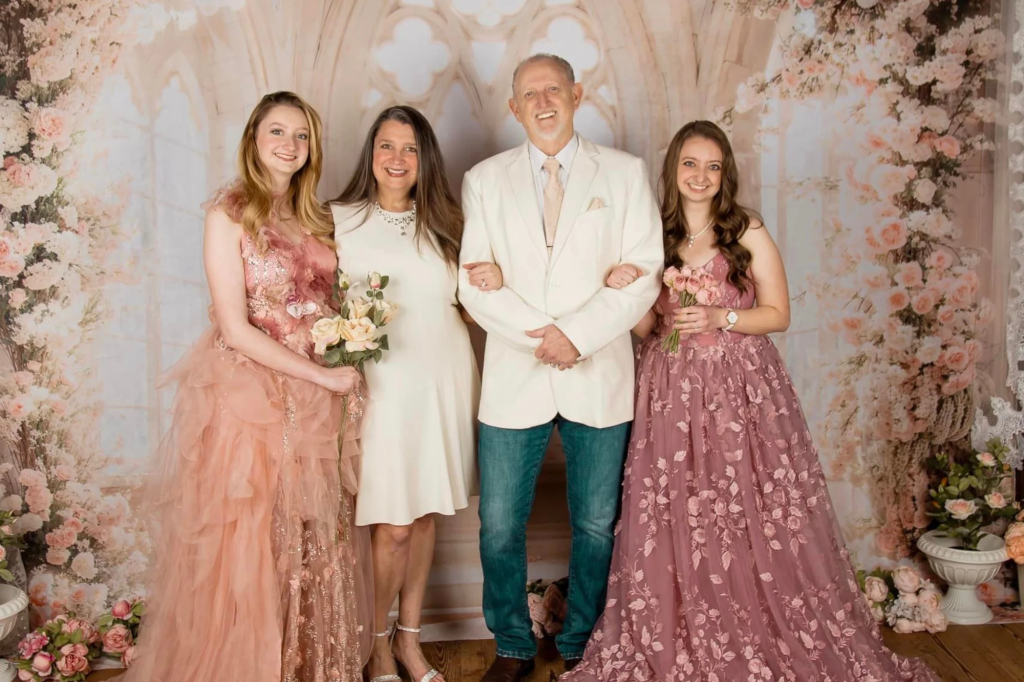
Sometimes a clean wall is enough. Sometimes flowers or a piece of furniture can define the scene. And when the existing surroundings are distracting, a separate background can make the frame easier to control. It should still feel connected to the room around it. If there is already a strong floral arrangement, the background probably does not need to compete with it.
Keep the Photo Setup Consistent With the Wedding
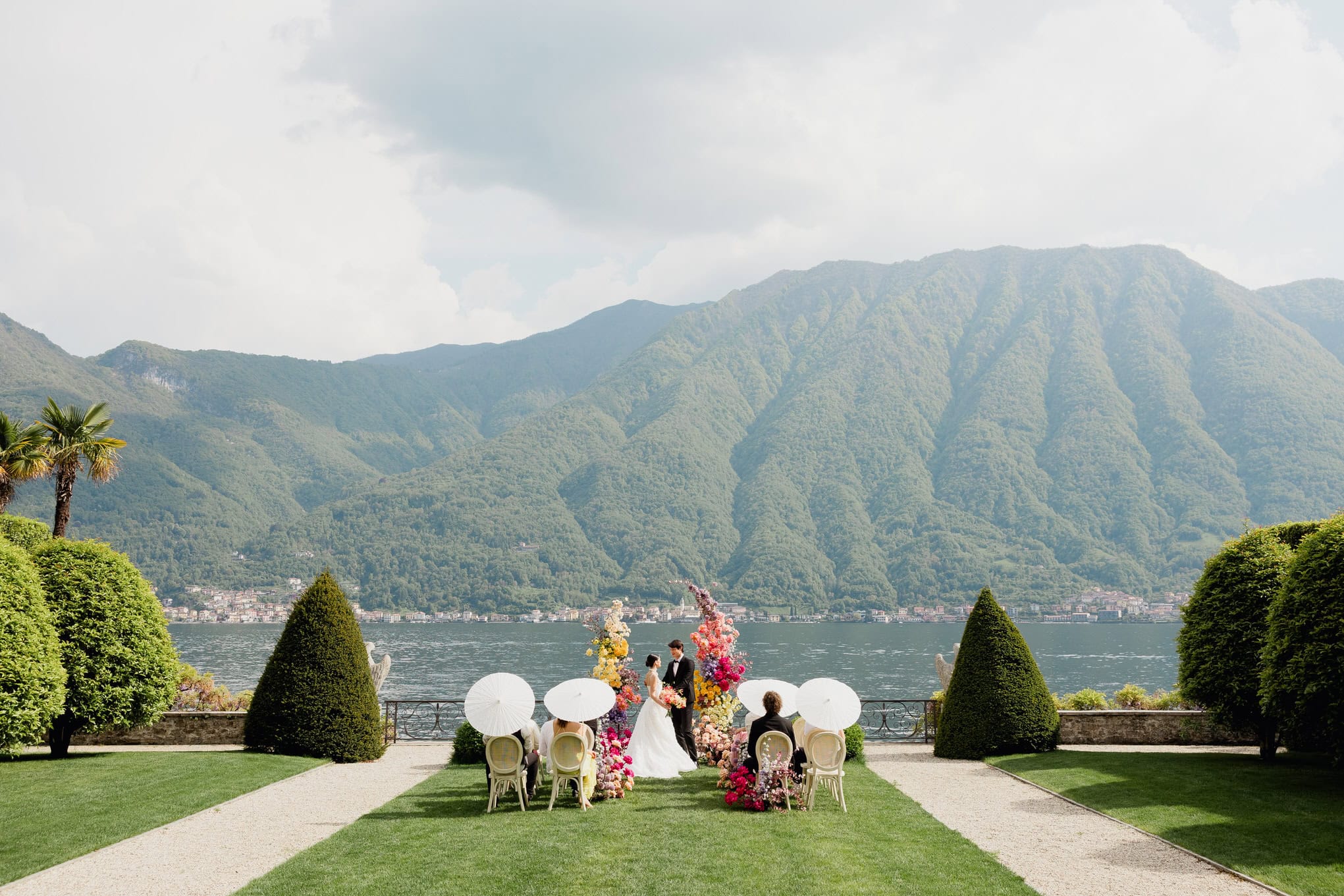
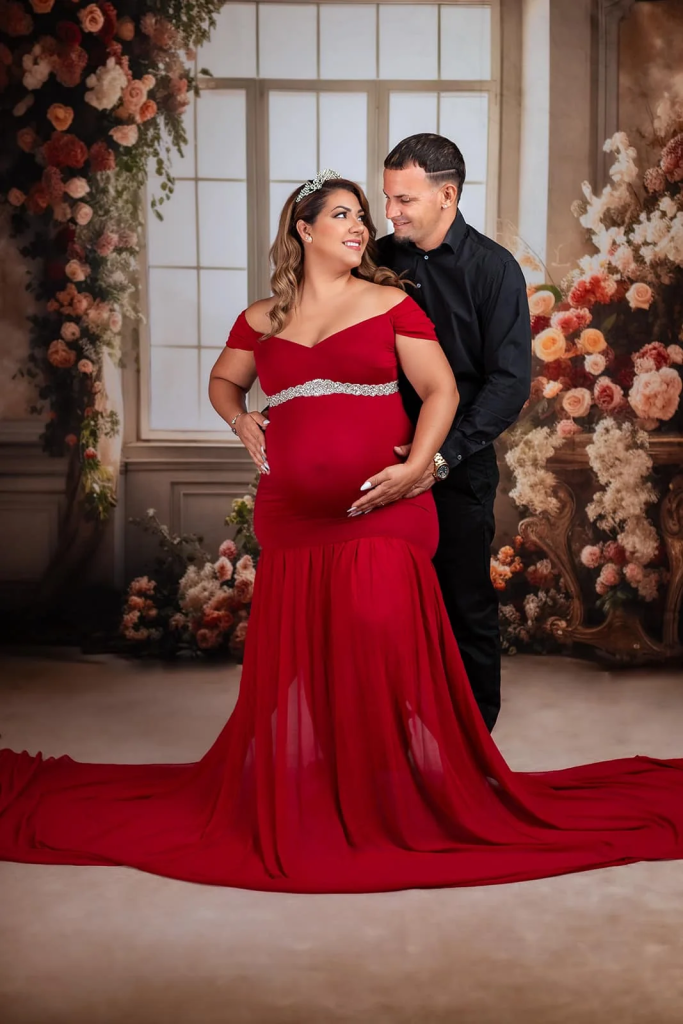
It is easy to save dozens of wedding décor references and slowly add elements from all of them. That often looks better on a moodboard than it does in one photograph. For a bohemian wedding, pampas grass, dried flowers and warm neutral tones may already provide plenty of texture. Keeping the area behind them quieter can help those elements stand out. The same applies to floral installations. Flowers do not have to cover the entire frame. An arrangement placed to one side can frame the couple while leaving cleaner space around their faces and clothing. For a more classic wedding, the venue itself may do most of the work. Curtains, architectural details, a staircase or a simple neutral wall can be enough.
Minimal setups can be even simpler. Once unnecessary details are removed, light, body language and composition become much more noticeable.
There is no formula here. The useful question is: what is supposed to be the main visual element? Once that is clear, the rest of the décor can support it rather than compete with it.
Leave More Room Than You Think You Need
The background is only half of a photo area. There also needs to be space in front of it. If a setup is squeezed between a wall and the dinner tables, it may technically fit two people, but the photographer could end up with almost no room to adjust the shooting distance.
A little distance between the subjects and the background helps too. People do not feel pressed against the décor, and the photographer has more control over how much background detail appears in the image. Group portraits need even more breathing room. Guests rarely arrange themselves in perfectly neat lines. Dresses take up space. People turn toward one another. Someone always steps slightly forward. Building in a little extra room makes the whole process easier.
The same goes for lighting equipment if the photographer plans to use it. A photo area works best when it feels like part of the celebration, not a corner everyone has to carefully squeeze into.
A Good Background Should Not Need All the Attention
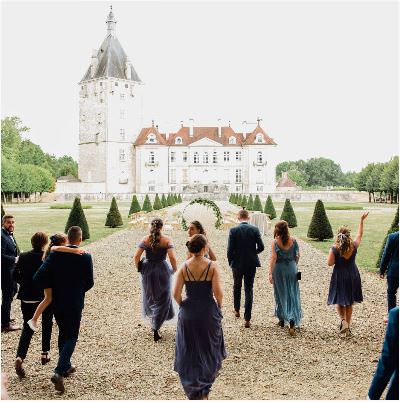
The strongest wedding photographs are rarely about the background alone. The setting matters because it gives the image context. It can bring in the character of the venue, the colors of the wedding and the atmosphere of the day. But the people still need somewhere to exist within that frame. Sometimes that means using a château wall exactly as it is. Sometimes it means moving a couple three feet to one side for better light. And sometimes creating a separate portrait area is the practical choice.
Before adding more décor, look at the finished scene from farther away. Check the light. Check the edges of the frame. Put people in the space. If all of those things still work, you probably have enough. room for more.